
Do you believe that hackers only go after large businesses? Or that antivirus software is all you need to stay protected? These are just a few of the cybersecurity myths that many people still believe—even in 2025. But the truth is, relying on these outdated ideas can leave your data and devices at serious risk. In this blog, we’ll break down some of the most common myths and help you build better online habits.

Myth #1: Hackers Only Go After Large Businesses
This is one of the most common cybersecurity myths. Many people assume that small businesses or individuals aren’t important enough to be targeted. Unfortunately, that’s not true. In fact, smaller targets often have weaker protection, making them easier for cybercriminals to attack.
Even personal email accounts or social media profiles can be valuable. Hackers can use them to scam your contacts or steal sensitive data. So, whether you’re a student, a freelancer, or a business owner—you’re always a potential target.
Myth #2: Antivirus Software Is Enough to Keep You Safe
While antivirus software helps, it’s not a complete solution. Think of it like locking your front door but leaving your windows open. Cybersecurity requires multiple layers of protection.
Besides antivirus, you need:
- Strong, unique passwords
- Two-factor authentication (2FA)
- Secure Wi-Fi settings
- And awareness of phishing emails
So, relying on antivirus alone is not enough. You need a full set of safety practices to stay secure.
Myth #3: Mobile Phones Don’t Get Viruses
Many people still believe that mobile phones are safer than computers. However, phones are just as vulnerable—especially with so many apps and links being shared daily.
Cybercriminals use fake apps, dangerous links, and even public Wi-Fi to get access to your data. To stay protected, always update your phone, download apps only from trusted sources, and avoid clicking on suspicious messages.
Myth #4: Incognito Mode Keeps You Completely Private
Incognito mode may hide your browsing history from others using your device, but it doesn’t make you invisible online. Websites can still track you, your internet provider can see your activity, and so can hackers if you’re not careful.
If you care about privacy, use trusted VPNs, privacy-focused browsers, and avoid logging into accounts while in incognito mode.

Why Believing in Cybersecurity Myths Can Be Dangerous
It’s easy to fall into the trap of thinking you’re safe when you’re not. These myths give a false sense of security. And when people believe them, they often skip important steps—like updating passwords or using two-factor authentication.
That’s why cybersecurity awareness is so important. When you understand the real threats, you’re more likely to take action to protect yourself.
Best Practices to Stay Protected
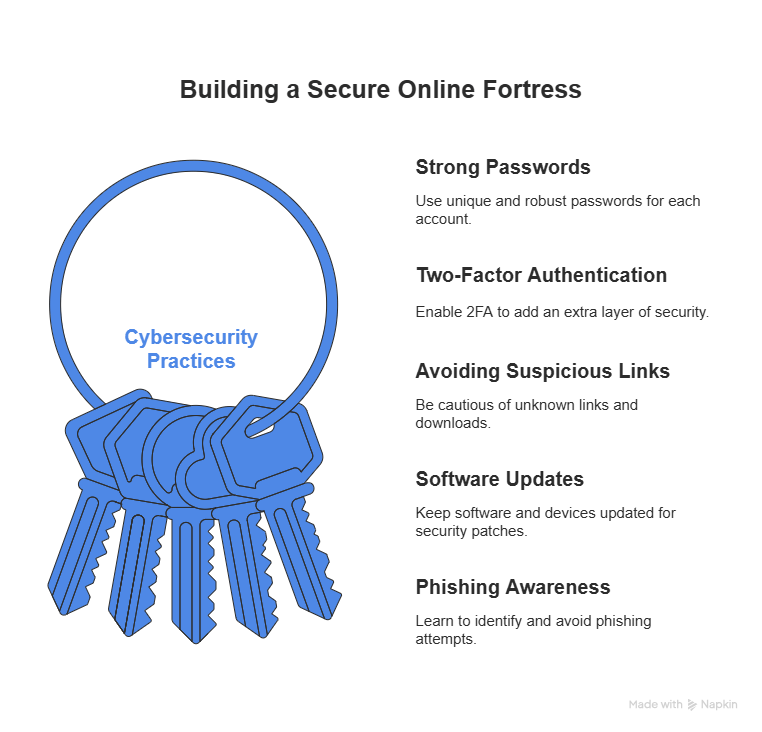
Now that we’ve busted these myths, here are some simple things you can do right now:
- Use strong and unique passwords for every account
- Turn on 2FA wherever possible
- Avoid clicking unknown links or downloading shady apps
- Keep your software and devices updated
- Learn how to spot phishing attempts
Remember, cybersecurity is not just for experts. With a few smart habits, anyone can stay safer online.
Want to dig deeper into online safety?
Explore more cybersecurity blogs on AlrightTech to stay informed and protected.
And if you need help writing secure policies or tech content, try our tool “AskAlright“ your smart assistant for smarter content!